
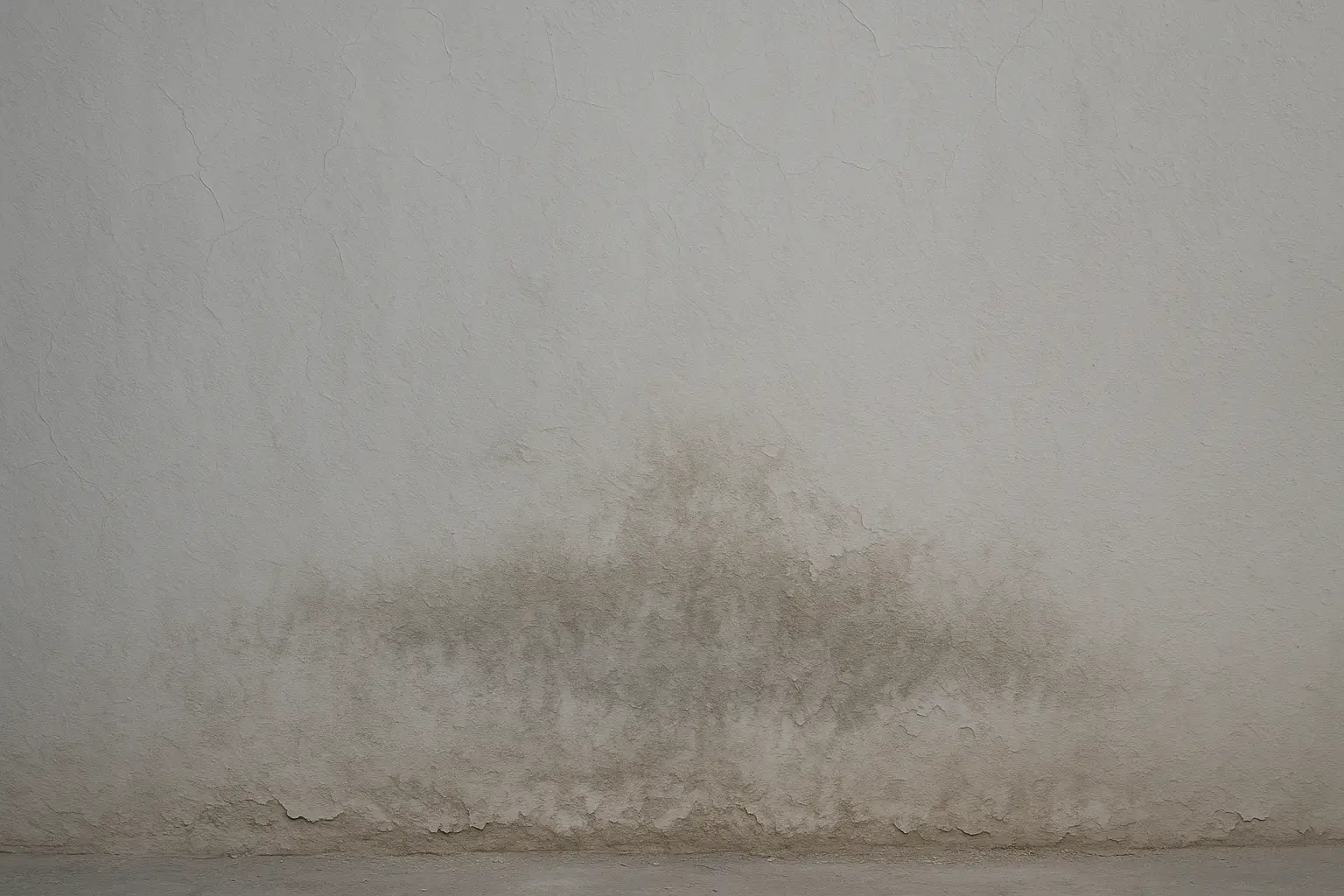
Damp issues can significantly affect your home’s integrity and appearance. Recognising early signs of rising damp and other moisture problems is crucial to prevent costly repairs. Damp patches on walls and floors are often the first visible warning sign.
Dealing with damp in your home can be challenging, but understanding the root causes and signs can help you manage it effectively. Dampness not only affects the appearance of your home but can also lead to unhealthy mould growth and structural damage if left unaddressed. By identifying the symptoms early, such as damp patches on walls, and getting a professional opinion on rising damp treatment, you can maintain a healthy and pleasant living environment.
Recognising signs of dampness in your home
Identifying damp issues early can save you from extensive repairs. Common signs include damp patches on walls and floors, which may appear wet or stained. These patches often lead to peeling paint or wallpaper, indicating moisture penetration. Such visual indicators are essential for early detection and should prompt you to take immediate action.
In addition to visual signs, a persistent musty smell can suggest the presence of mould or mildew, which thrives in damp conditions. You may also find skirting boards rotting, indicating prolonged exposure to moisture. Addressing these issues promptly can prevent further damage to your home’s structure and aesthetics. If you ignore these signs, skirting boards can rot and the underlying structure may weaken over time.
Another telltale sign of rising dampness is the appearance of salt deposits or white crystalline substances on wall surfaces, known as efflorescence. This occurs when moisture carries salts from within the masonry to the surface, where they crystallise as the water evaporates. You may also notice cold spots on walls that feel noticeably cooler to the touch than surrounding areas, indicating trapped moisture within the structure. Warped or buckled flooring, particularly in ground-floor rooms, can signal water damage from below. If you observe condensation regularly forming on windows, mirrors or other cold surfaces, this suggests excessive humidity levels that could lead to more serious damp problems if left unaddressed.
Common signs of rising damp vs condensation
Because different types of damp require different solutions, it helps to distinguish rising damp from simple condensation:
Rising damp:
- Tidemarks or staining that start at floor level and rise up the wall
- Skirting boards rotting or crumbling, sometimes with peeling paint
- Flaking or blistering plaster at lower wall levels
- Powdery white salts appearing on the surface of walls (efflorescence)
Condensation:
- Water droplets on colder surfaces such as windows and external corners
- Patches that improve when you open windows, use extractor fans or gently heat the room
- Mould growth in bathrooms, kitchens and poorly ventilated spaces
Understanding causes of dampness
Dampness in homes can arise from various sources, with poor ventilation being a significant factor. Inadequate airflow allows moisture to accumulate, creating a conducive environment for dampness. Leaks from plumbing or roofing can also introduce water into your home, worsening existing damp conditions.
Structural problems, such as a missing or damaged damp proof course (DPC), can lead to rising damp, where moisture travels from the ground into the walls. Condensation is another common cause, particularly in areas with poor insulation where warm air meets cold surfaces. Understanding these causes is crucial for implementing effective preventative measures.
Problems outside the building can also allow moisture into your property. Damaged or porous brickwork lets rainwater penetrate through external walls, a condition known as penetrating damp. Defective guttering, broken roof tiles or damaged flashing around chimneys can channel water into the building fabric. Ground levels that are too high against external walls can bridge the damp-proof course, allowing moisture to bypass this protective barrier.
In older properties, the original damp proof course may have deteriorated over time or may never have been installed, making these buildings particularly vulnerable to rising damp. Climate conditions, such as prolonged periods of heavy rainfall or high humidity, can exacerbate existing vulnerabilities in your home’s defences against moisture.
When should you call a professional damp surveyor?
Some minor condensation problems can often be improved with better ventilation and heating. However, you should book a professional damp survey if you notice:
- Persistent damp patches that don’t dry out, even in warmer weather
- Flaking plaster, blistering paint or skirting boards rotting
- White, powdery salts (efflorescence) appearing on internal walls
- Warped or buckled flooring on the ground floor
- A strong musty smell combined with visible mould growth
A qualified surveyor can identify whether you’re dealing with rising damp, penetrating damp or another moisture problem, and check whether your damp proof course (DPC) is still doing its job.
A reputable contractor will follow Property Care Association (PCA) guidance and provide a clear written report and quotation before any work begins. Consulting with damp proofing specialists in Scotland for a professional damp proofing survey can provide tailored solutions that are more effective than DIY methods.
Practical solutions for damp prevention
Addressing damp issues requires both corrective and preventive measures. Regular property inspections can help identify leaks or vulnerabilities before they become significant problems. Installing proper ventilation systems can significantly reduce indoor humidity, minimising the risk of condensation.
A professional damp proofing survey offers valuable insights into the extent of any damage and can recommend effective solutions. Scheduling a damp proofing survey at regular intervals, or whenever new symptoms appear, helps ensure your home remains protected. Depending on the diagnosis, recommended works may include repairing the damp proof course, installing chemical barriers, improving drainage systems or upgrading insulation and ventilation.
Preventing future damp occurrences
Preventive maintenance is key to keeping your home free of damp. Installing extractor fans in kitchens and bathrooms can enhance ventilation and reduce moisture build-up during daily activities. Ensuring gutters and downpipes are clear prevents water from overflowing and penetrating walls.
Regularly checking waterproofing elements, such as seals around windows and doors, can prevent minor leaks from escalating. By maintaining balanced humidity levels, you protect your home’s structure and the health of its occupants from potential mould-related issues.


