
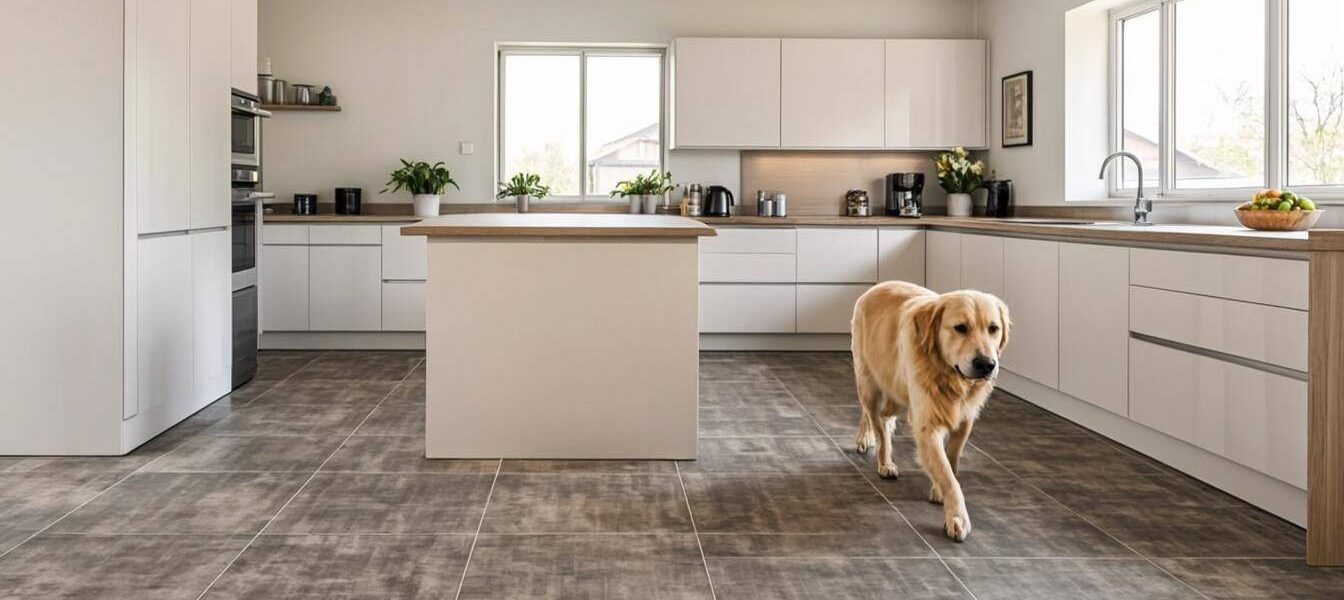
I’ve replaced flooring in dozens of homes where pet owners made expensive mistakes, like installing solid oak in a household with two 80-pound Labrador Retrievers. The scratches showed up within weeks. After 10 years on job sites, I can tell you this: the right pet friendly flooring isn’t about picking the prettiest plank. It’s about matching the material to your dog’s size, activity level, and your home’s real conditions.
The four flooring options below are the ones I actually recommend to homeowners who want surfaces that handle claws, accidents, and everyday wear without sacrificing looks. Each one has earned its place through real-world performance, not marketing claims.
TLDR: Quick Answer
The best pet friendly flooring options that combine scratch resistance, water protection, and long-term durability are: Luxury Vinyl Plank (LVP), Porcelain Tile, Strand Woven Bamboo, and High-AC Laminate. LVP leads for overall versatility and waterproofing. Porcelain tile is nearly indestructible. Strand woven bamboo offers natural hardness with an eco-friendly edge. High-AC rated laminate (AC4 or above) delivers the best scratch defense per dollar.
Quick Facts: The 4 Picks at a Glance
| Flooring Type | Scratch Resistance | Waterproof? | Best For | Price Range |
|---|---|---|---|---|
| Luxury Vinyl Plank | High (20-mil wear layer) | Yes (100%) | All-around pet homes | $2 – $5 / sq ft |
| Porcelain Tile | Very High | Yes | Large dogs, high traffic | $3 – $8 / sq ft |
| Strand Woven Bamboo | High (2,800+ Janka) | No (sealed options) | Eco-conscious homes | $4 – $8 / sq ft |
| Laminate (AC4+) | High (abrasion rated) | Water-resistant | Budget-friendly option | $1.50 – $4 / sq ft |
1. Luxury Vinyl Plank (LVP) — The All-Around Winner
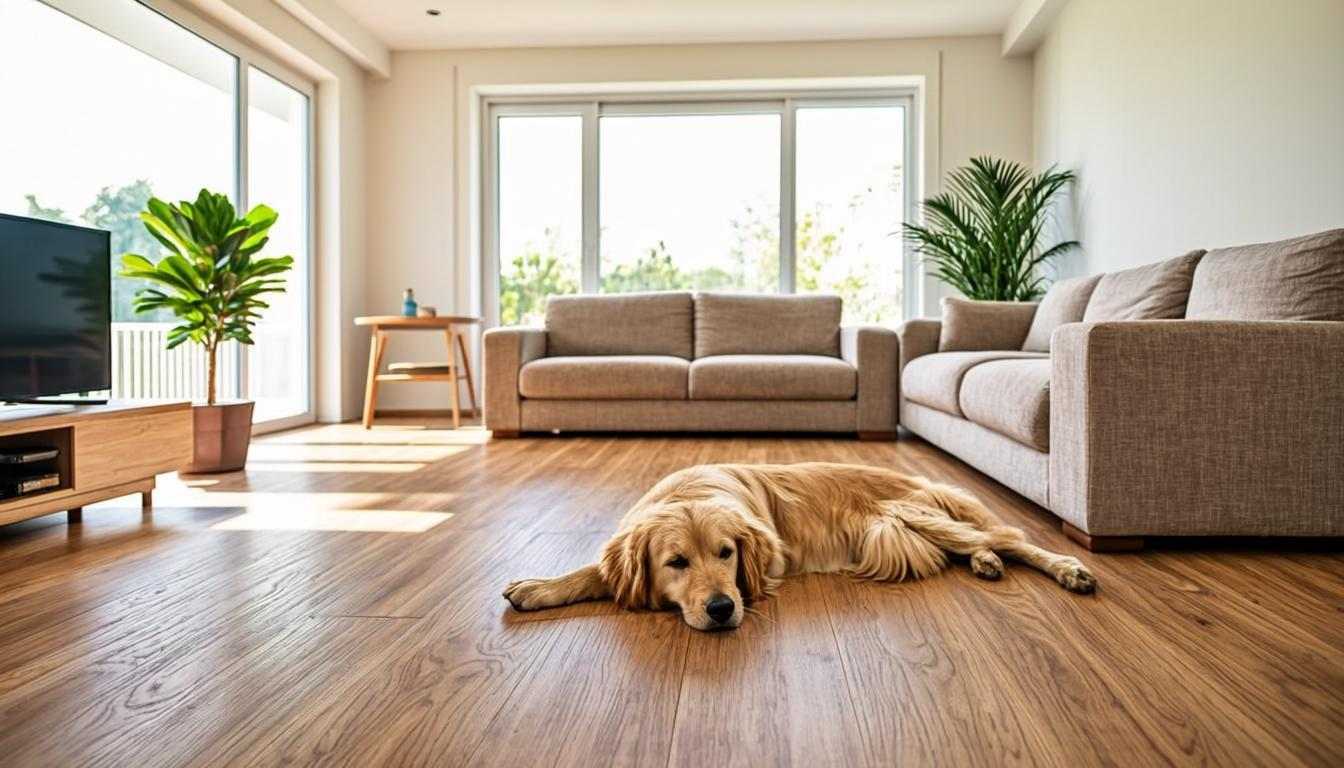
If I had to pick one flooring material for a pet-heavy home, it would be luxury vinyl plank. In recent years, LVP has become the go-to choice for both homeowners and installers dealing with pet-related challenges, and for good reason.
Why it works for pets: Modern LVP features a multi-layer construction with a tough urethane wear layer on top. For homes with dogs, I always recommend a minimum 20-mil wear layer. This is the protective shield that absorbs the impact of claws, dragged toys, and furniture movement. I’ve seen 20-mil LVP floors in homes with three dogs that still look solid after five years.
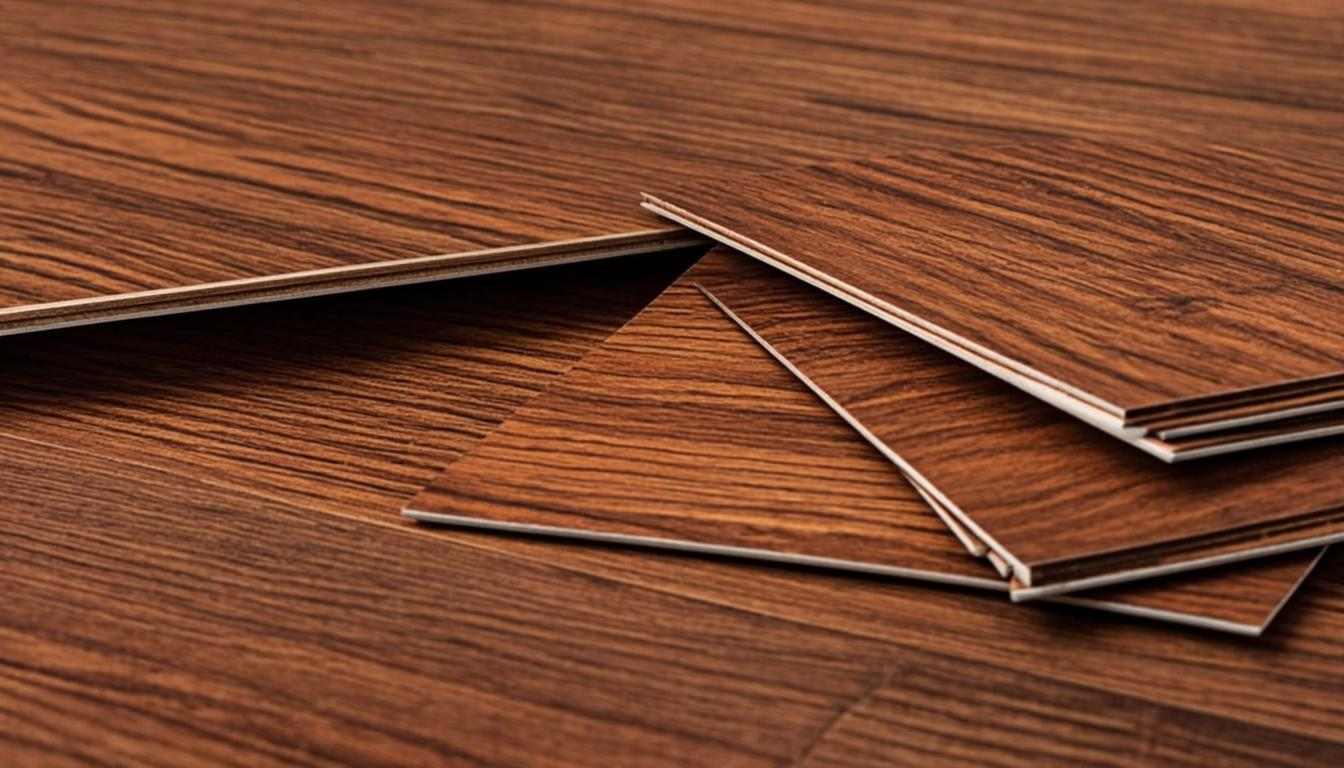
Waterproof advantage: Unlike bamboo or laminate, quality LVP is waterproof through-and-through. Pet accidents, spilled water bowls, and muddy paw prints won’t penetrate the surface or seep into the core. This is the single biggest reason LVP outperforms most alternatives in homes with pets.
- Wear layer: 20-mil minimum for dogs; 12-mil works for cats or small breeds
- Traction: Textured surfaces provide better grip than polished finishes, reducing slips for older pets
- VOC safety: Look for FloorScore-certified or GREENGUARD Gold options for non-toxic, low-VOC emissions
- Install note: Click-lock floating installation works over most subfloors, but acclimate planks 48 hours before laying
2. Porcelain Tile — The Indestructible Choice
Porcelain tile is the flooring equivalent of armor. I’ve installed it in mudrooms, kennels, and homes with multiple large breeds, and I have yet to see a dog put a meaningful scratch in a properly fired porcelain surface. If you have a Great Dane, a Mastiff, or any dog over 70 pounds, porcelain deserves serious consideration.
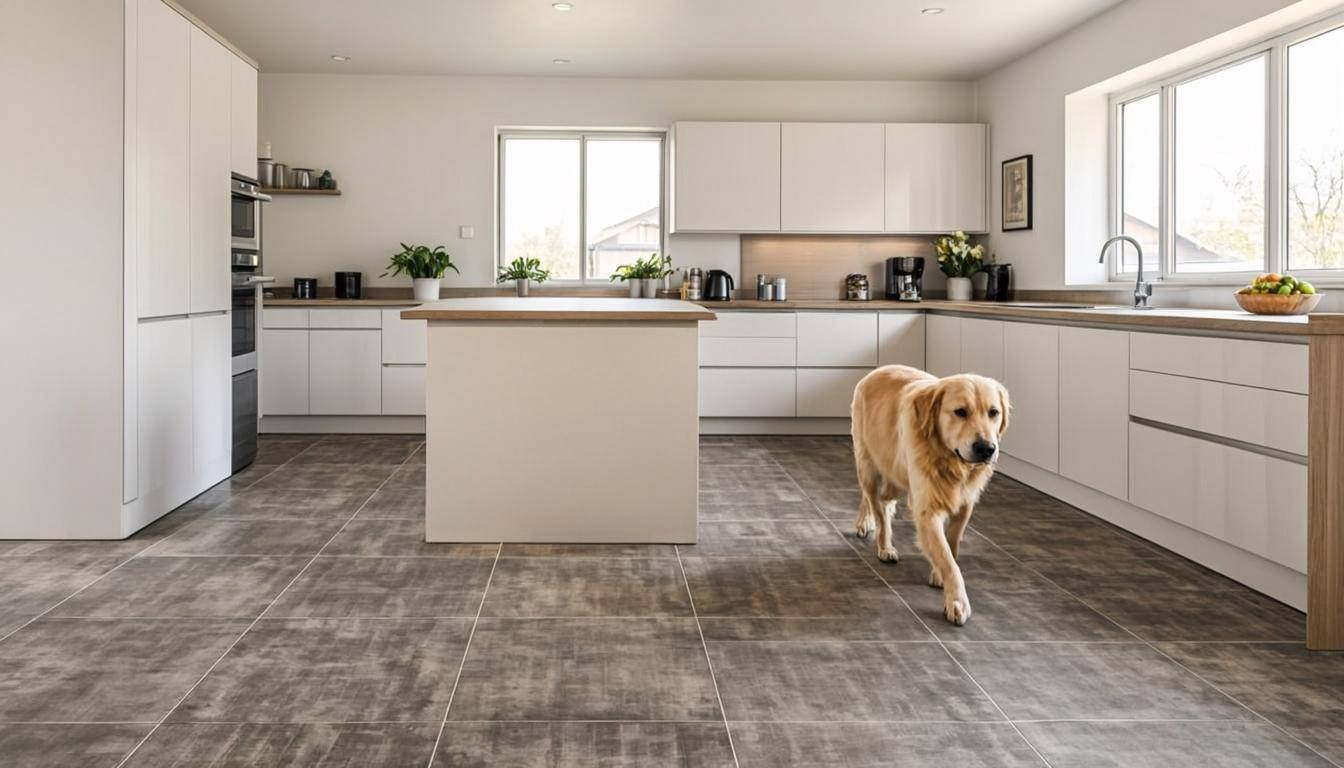
Scratch-proof reality: Porcelain is fired at extremely high temperatures, creating a surface harder than most metals. Dog claws simply cannot penetrate it. The one weakness isn’t the tile itself but the grout lines, which can stain if pet accidents sit for extended periods. I always specify epoxy-based grout for pet owners since it resists staining and moisture absorption.
Traction matters: One thing most guides gloss over is slip risk. High-gloss tile can be dangerous for pets, especially senior dogs with joint issues. Matte-finish or lightly textured porcelain provides the grip your dog needs without compromising the clean, modern look homeowners want.
- PEI Rating: Choose PEI 4 or 5 for high-traffic pet areas
- Grout: Epoxy grout prevents staining from pet urine and is easier to clean
- Comfort: Tile is cold and hard; consider area rugs or radiant floor heating for pet comfort zones
- Maintenance: The easiest flooring to clean with pets. Sweep, mop, done. No special products needed
3. Strand Woven Bamboo — The Natural Hardness Champion
Most people don’t realize that strand woven bamboo is actually harder than red oak and even some maple species. It scores 2,800+ on the Janka hardness scale, compared to red oak at around 1,290. That density is what makes it genuinely scratch resistant for pets.
How strand woven bamboo differs: Unlike horizontal or vertical cut bamboo, strand woven is made by compressing bamboo fibers under extreme heat and pressure. This creates a dense, interlocking structure that resists denting and surface scratching far better than traditional hardwoods. The strong graining also helps camouflage minor marks, which is a practical advantage over lighter woods.
The water vulnerability: Here’s where honesty matters. Bamboo is not waterproof, and standing water from pet accidents can damage the planks if not cleaned promptly. As of 2026, some manufacturers offer sealed strand woven bamboo with enhanced water resistance, but it still can’t match LVP or tile in moisture protection. For homes with puppies still being house-trained, I’d point you toward LVP or tile instead.
- Hardness: 2,800+ Janka rating outperforms most domestic hardwoods
- Eco-friendly: Bamboo regrows in 3–5 years, making it one of the most sustainable flooring options
- Finish: Aluminum oxide finish adds extra scratch protection on premium products
- Best use: Living areas and bedrooms; avoid bathrooms, laundry rooms, or basements with moisture risk
4. Laminate Flooring (AC4+) — The Smart Budget Pick
Laminate gets a bad reputation from cheap big-box store products, but high-quality laminate with the right AC rating is genuinely tough. The key is understanding what the AC rating actually tells you and not settling for less than your pet situation demands.
AC ratings explained: The Abrasion Class (AC) system measures how well a laminate surface resists wear, friction, and scratching. For homes with pets, skip anything below AC3. AC4-rated laminate is rated for general commercial traffic, which translates to excellent performance in busy households with active dogs. AC5 is the strongest available but usually unnecessary unless you’re running a daycare or kennel from your home.
Water resistance caveat: Standard laminate is water-resistant, not waterproof. In 2026, water-resistant laminate with sealed edges has improved significantly, but prolonged exposure to pet urine or standing water will still cause swelling at the seams. If your pet has frequent accidents, you need to address that behavior first, or choose fully waterproof LVP.
- Minimum rating: AC3 for small dogs; AC4 recommended for large breeds and multi-pet homes
- Cost advantage: At $1.50–$4 per square foot, it delivers the best scratch resistance per dollar
- Wear layer: Look for aluminum oxide coating for added durability against pet claws
- Noise: Laminate can be noisy under pet nails; use quality underlayment to reduce sound
Flooring and Material Insights: What Most Guides Miss
Why Flooring Choices Matter Beyond Aesthetics
Most comparison articles treat flooring as a cosmetic decision, but from an installation perspective, the wrong choice in a pet home leads to premature replacement. I’ve seen homeowners spend $8,000 on solid hardwood only to refinish it two years later because of dog scratches. The cost difference between pet-appropriate and pet-vulnerable flooring is often small compared to the replacement expense.
Pet Traction and Comfort: The Overlooked Factor
Slip resistance is critical for pet safety, especially for senior dogs or breeds prone to hip dysplasia. Smooth surfaces like high-gloss tile or polished hardwood create dangerous conditions. When selecting any flooring for pets, prioritize textured or matte finishes. LVP with registered embossing (texture that matches the wood-grain pattern) provides both grip and visual appeal.
Non-Toxic and Low-VOC Considerations
Pets spend more time on the floor than humans do, making VOC emissions a direct health concern. Some vinyl products, particularly lower-cost LVP, can off-gas phthalates and other chemicals. As of recent reports, the industry has shifted toward phthalate-free formulations, but always verify certifications. Look for FloorScore, GREENGUARD Gold, or California Section 01350 compliance to ensure your flooring meets strict indoor air quality standards for vulnerable occupants.
Climate Impact on Flooring Performance
Where you live affects how flooring performs with pets. In humid climates, bamboo can expand and contract, creating gaps. In extreme cold, tile becomes uncomfortably cold for pets and can contribute to joint stiffness. LVP remains the most climate-stable option across diverse conditions, which is why it earns my top recommendation for the widest range of homeowners.
Frequently Asked Questions
What is the best flooring for large dogs?
Porcelain tile with a matte finish is the most scratch-resistant and easiest to clean for large dogs over 70 pounds. For a warmer feel, choose 20-mil LVP with textured embossing. Both options handle heavy claws and high-traffic wear without showing damage within the first decade of use.
Is laminate or LVP better for pets?
LVP wins for homes where water exposure is likely because it is fully waterproof. Laminate with AC4 or higher beats LVP on pure scratch resistance per dollar. If your pets are house-trained and accidents are rare, AC4 laminate offers excellent value. If puddles happen regularly, LVP is the safer investment.
Can dog nails scratch porcelain tile?
No. Properly fired porcelain tile has a surface hardness that dog nails cannot penetrate. The risk is not the tile but the grout. Use epoxy-based grout and seal it annually to prevent staining from pet accidents.
Is bamboo flooring safe for pets?
Strand woven bamboo is one of the hardest natural flooring options available and handles pet nails well. However, it is not waterproof, so prompt cleanup of accidents is essential. Choose aluminum oxide-finished products for maximum surface protection.
What is the easiest flooring to clean with pets?
Porcelain tile and LVP are the easiest to maintain. Both resist stains and allow quick wipe-up of accidents. For daily cleaning, a dry microfiber mop handles pet hair and dust. For deeper cleaning, a damp mop with mild soap is sufficient for both materials without risking surface damage.
Does pet-friendly flooring need special installation?
Not necessarily special, but smarter. For LVP and laminate, use a quality moisture barrier underlayment, especially over concrete subfloors. For tile, ensure proper substrate preparation and use epoxy grout. Always acclimate flooring materials to your home’s temperature and humidity for at least 48 hours before installation to prevent expansion issues.


