
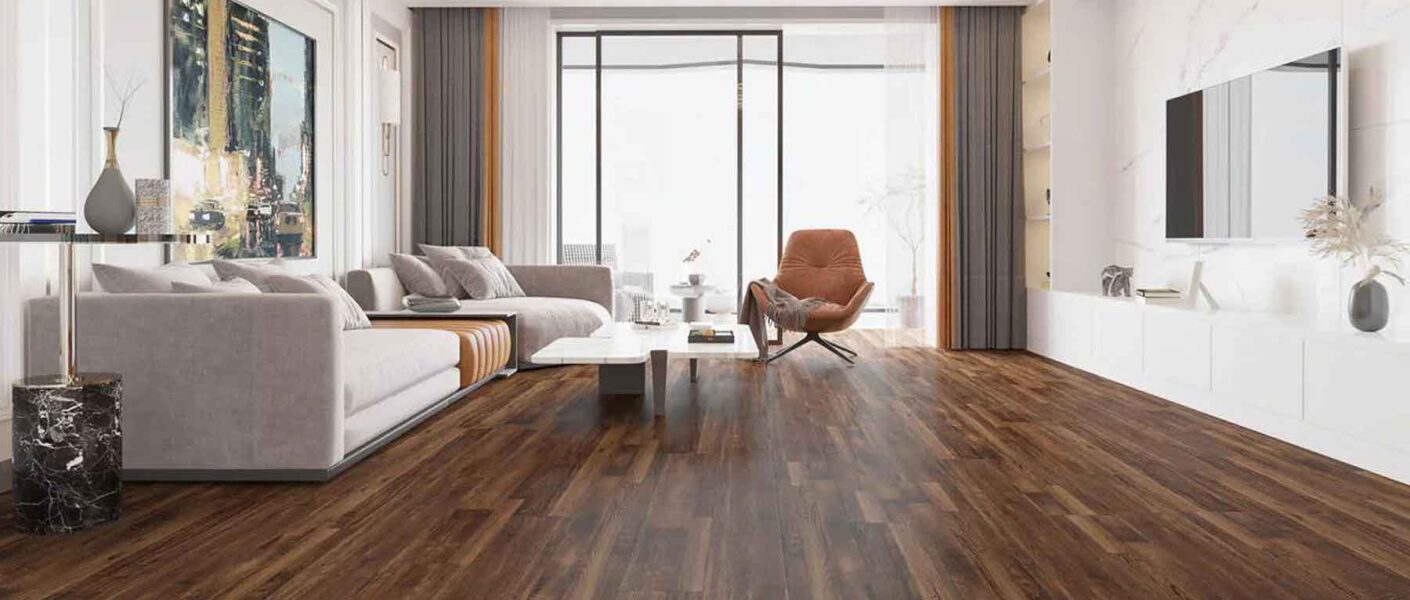
I’ve installed flooring in hundreds of homes across the country — from cramped Chicago lofts to sprawling Texas ranches and humidity-heavy beach houses along the Florida coast. And if there’s one material that keeps coming up in conversations with homeowners, it’s LVP.
So what is LVP flooring? Luxury Vinyl Plank is a multi-layer, waterproof synthetic flooring product designed to closely replicate the look of real hardwood, stone, or ceramic tile — without the maintenance headaches, moisture vulnerability, or high cost. Each plank is engineered with a rigid core, a high-resolution photographic wear layer, and a protective top coating that resists scratches, dents, and stains.
In my experience, LVP has become the single most requested flooring option in residential projects over the past five years. Homeowners love it because it solves real problems: water damage in kitchens and basements, pet wear in busy households, and the desire for hardwood aesthetics on a practical budget. As of recent reports in 2026, LVP continues to dominate new construction and renovation markets across the U.S.
TL;DR
Luxury Vinyl Plank (LVP) is a durable, 100% waterproof flooring product that looks like real wood but costs significantly less and handles moisture, pets, and heavy foot traffic far better than laminate or traditional hardwood. It uses a click-lock or glue-down installation system, comes in rigid SPC or WPC core varieties, and typically lasts 15–25 years in residential settings. For homeowners who want the look of wood with real-world practicality, LVP is the strongest all-around choice available today.
Quick Facts: LVP at a Glance
| Feature | Details |
|---|---|
| Material Type | Multi-layer synthetic vinyl with photographic print layer |
| Water Resistance | 100% waterproof (including core, not just surface) |
| Best For | Kitchens, bathrooms, basements, pet-friendly homes |
| Average Lifespan | 15–25 years (residential); 10–20 years (commercial) |
| Cost Range | $2–$7 per sq. ft. (material only); $4–$12 installed |
| Installation | Click-lock floating or full-spread glue-down |
| Core Types | SPC (stone plastic composite) or WPC (wood plastic composite) |
| Wear Layer | 6 mil to 40 mil (20 mil+ recommended for heavy traffic) |
What Makes LVP Different from Other Flooring?
Walk into any big-box flooring store in 2026 and you’ll see LVP dominating the display racks. But what separates it from the laminate, engineered hardwood, and ceramic tile sitting right next to it?
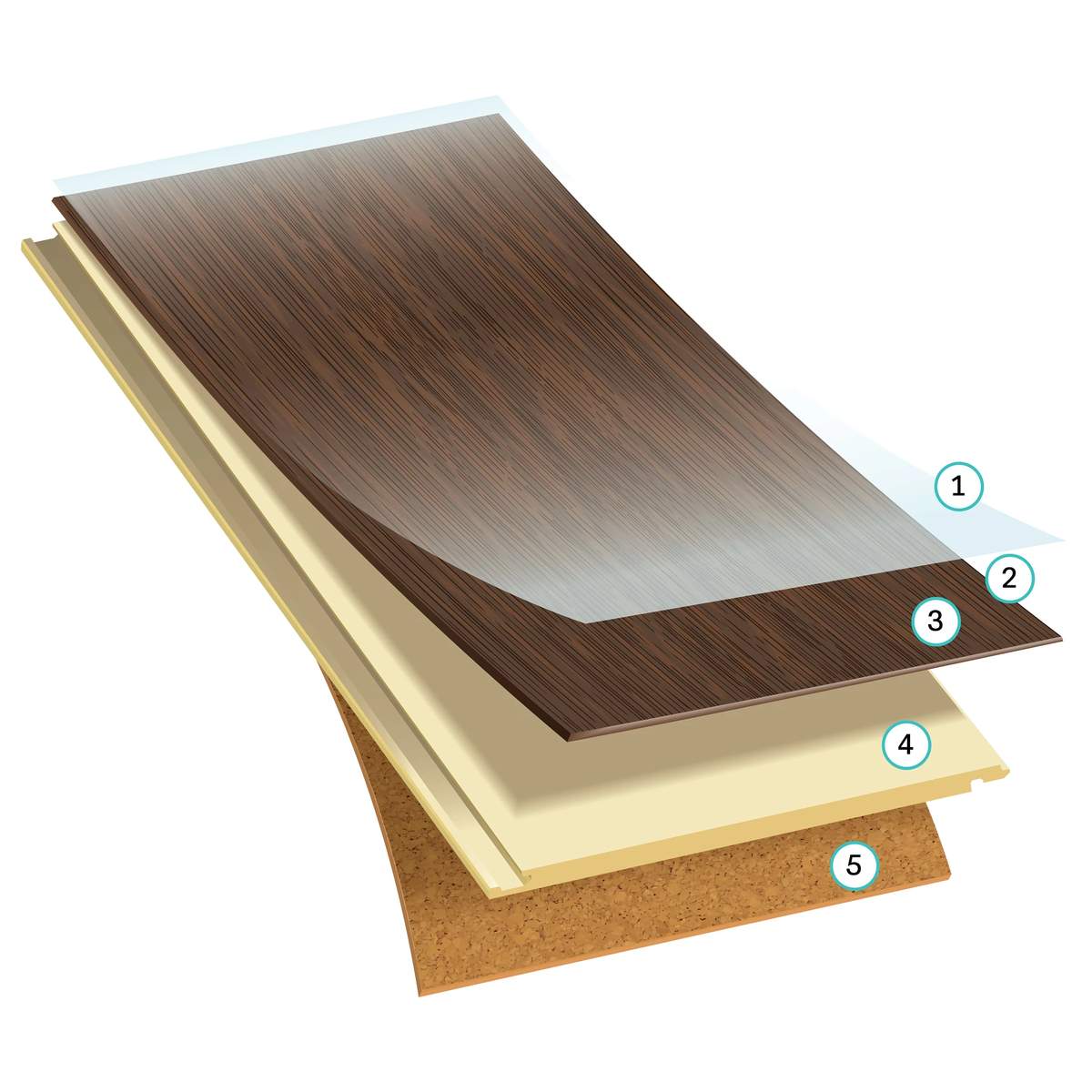
The answer is construction. LVP isn’t just printed vinyl pressed into a plank shape. It’s a precisely engineered product with four distinct layers, each serving a specific purpose. The backing layer provides dimensional stability. The rigid core — either SPC (stone plastic composite) or WPC (wood plastic composite) — gives the plank its structure and dent resistance.
Above the core sits the photographic print layer, which uses high-resolution imaging to replicate real wood grain, mineral patterns, or stone textures with remarkable accuracy. I’ve seen homeowners mistake quality LVP for pre-finished oak or hickory during walk-throughs — that’s how far the technology has come.
The top layer is the wear layer, a clear urethane or ceramic-bead coating that takes the daily abuse. This is what makes LVP genuinely scratch-resistant for homes with dogs, kids, and heavy furniture traffic. Unlike laminate — which is only moisture-resistant at the surface — LVP is waterproof through every single layer.
Inside the Construction: What Gives LVP Its Edge
The Wear Layer: Your First Line of Defense
The wear layer is measured in mils (one-thousandth of an inch), and it’s the single most important specification to evaluate when comparing LVP products. A 6 mil wear layer might work for a guest bedroom, but for kitchens, hallways, and homes with large dogs, I recommend a minimum of 20 mil.
In recent years, premium manufacturers have introduced wear layers up to 40 mil with embedded aluminum oxide or ceramic bead particles. These ultra-durable surfaces handle commercial-level traffic without showing wear patterns. For the average homeowner, a 20–12 mil wear layer hits the sweet spot between cost and longevity.
The key insight most competitors miss: a thicker wear layer doesn’t just resist scratches — it preserves the clarity and vibrancy of the print layer beneath it. Thinner wear layers can develop a cloudy or dull appearance over time from micro-abrasion, even if no visible scratches appear.
Core Types: SPC vs. WPC — Which One Holds Up?
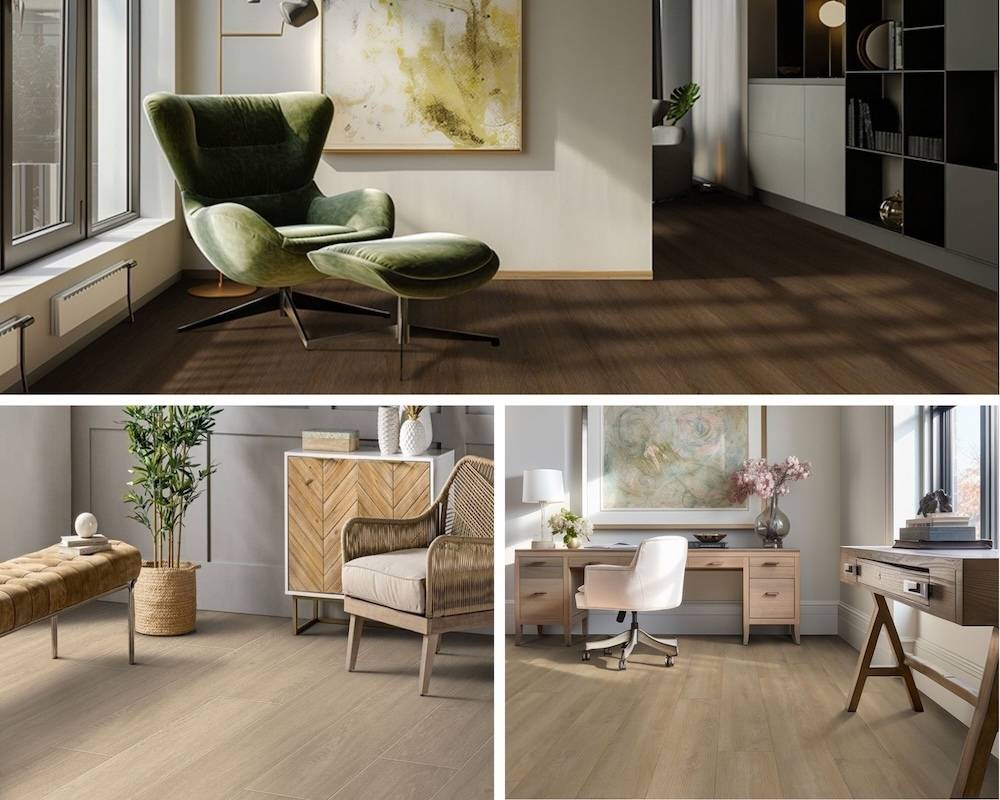
This is the decision that confuses most homeowners, and I see it mis-sold on job sites all the time. SPC (Stone Plastic Composite) uses limestone and PVC polymers for an extremely dense, rigid core. WPC (Wood Plastic Composite) uses wood flour and PVC for a slightly softer, quieter feel underfoot.
From my experience, SPC is the better choice for most residential applications in 2026. It handles subfloor imperfections better, resists dents from heavy appliances and dropped objects, and performs more consistently across temperature fluctuations. If you’re in a climate with seasonal extremes — like the Midwest or Northeast — SPC’s dimensional stability is a genuine advantage.
WPC has its place: it feels slightly warmer and more cushioned, which some homeowners prefer in bedrooms and living areas. But in high-moisture environments like basements or coastal homes, I always steer clients toward SPC for its superior water resistance and structural rigidity.
LVP vs. Laminate: The Honest Breakdown
I get asked this comparison on nearly every project. Both products look similar, use click-lock installation, and cost roughly the same per square foot. But the practical differences are significant enough to affect your daily life.
LVP vs. Laminate vs. Hardwood — Key Differences
| Feature | LVP | Laminate | Hardwood |
|---|---|---|---|
| Waterproof | Yes | No (surface only) | No |
| Scratch Resistance | Good–Excellent | Good | Fair–Good |
| Pet-Friendly | Excellent | Moderate | Moderate |
| Install Difficulty | Easy (DIY-friendly) | Easy (DIY-friendly) | Professional only |
| Resale Value | Moderate | Low | High |
| Lifespan | 15–25 years | 10–20 years | 30–100+ years |
Laminate is constructed with a high-density fiberboard (HDF) core that absorbs moisture like a sponge. I’ve replaced laminate floors in homes where a single appliance leak caused irreparable swelling along the seams. LVP eliminates this vulnerability entirely.
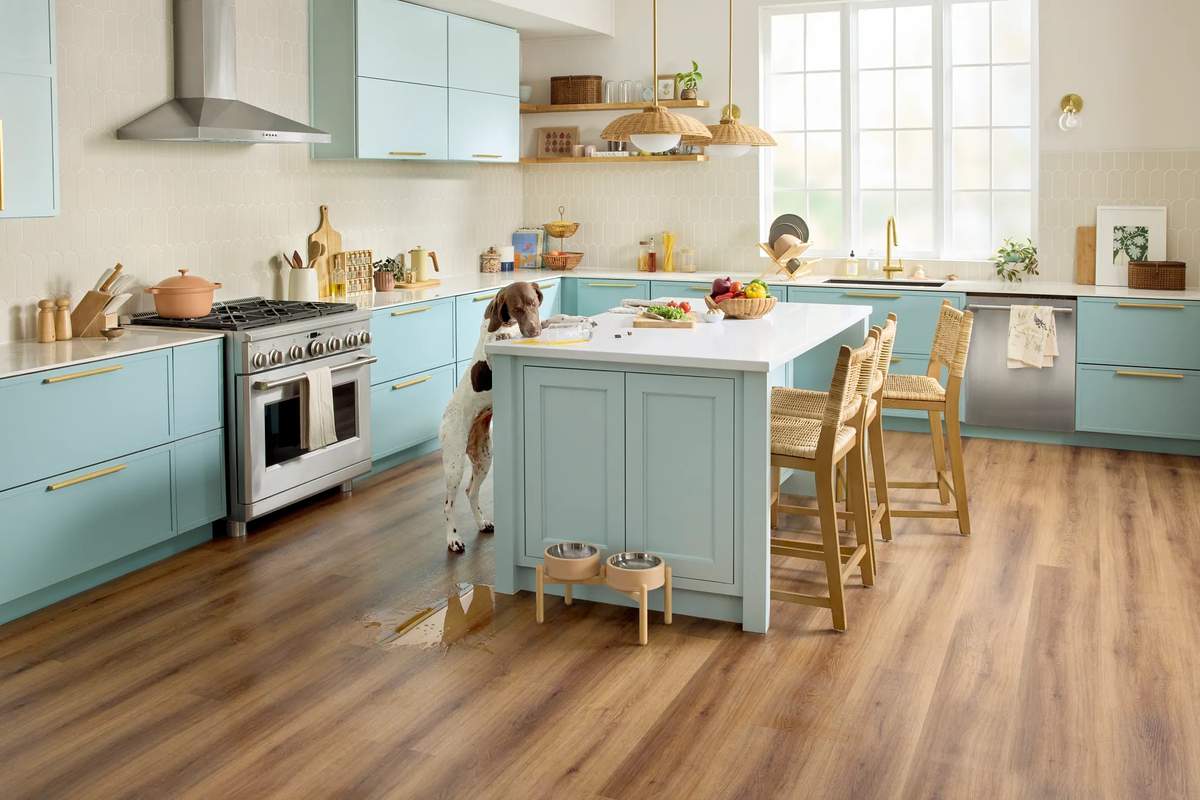
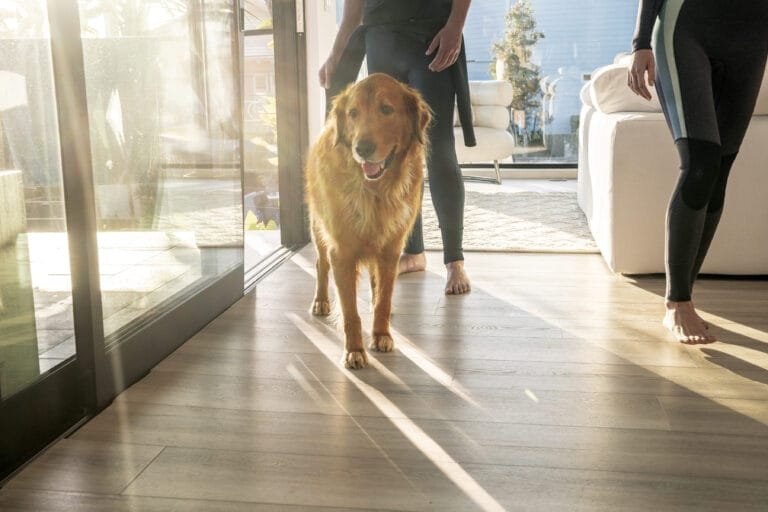
For pet owners specifically, LVP is the clear winner. Dog nails create micro-scratches on laminate surfaces that accumulate over time, creating a dull, worn appearance. LVP’s urethane wear layer handles this far better, and SPC-core products resist the denting that can occur from concentrated pet claw pressure on softer laminate surfaces.
Installation Realities: What Homeowners Actually Face
Click-Lock (Floating) vs. Glue-Down
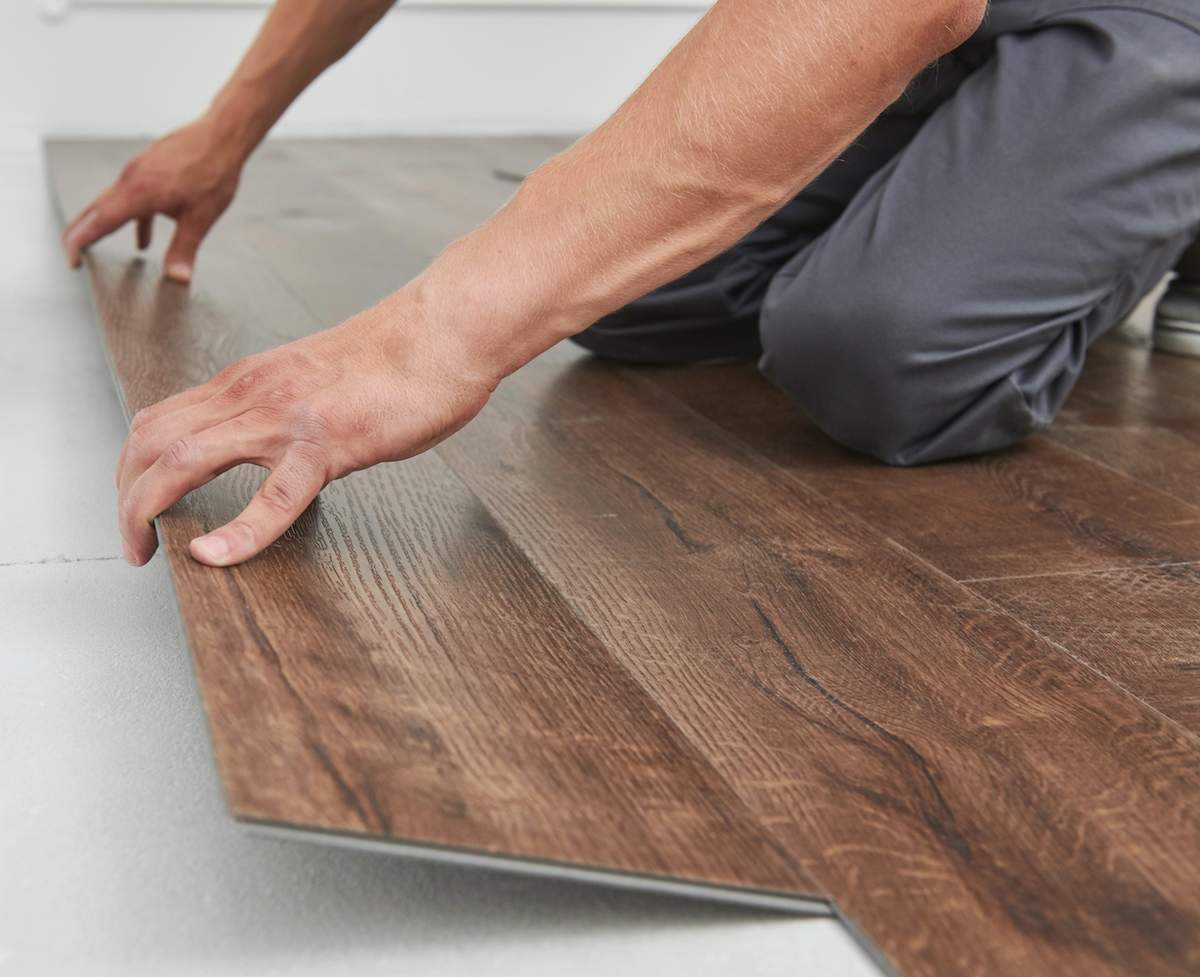
Click-lock floating installation is the most popular method for residential LVP, and it’s genuinely DIY-friendly. The planks interlock along their edges and sit on top of an underlayment without adhesive. A competent homeowner can cover a 300-square-foot room in a weekend.
Glue-down installation creates a more permanent, solid-feeling floor with no movement underfoot. It’s the better choice for commercial spaces and homes where the subfloor has minimal tolerance for height changes. However, glue-down requires more skill, longer acclimation time, and significantly more cleanup.
Underlayment Requirements
Most click-lock LVP products include an attached pre-pad underlayment, which simplifies installation. But if you’re installing over concrete — especially below grade — I strongly recommend adding a separate moisture barrier with a minimum 6 mil polyethylene film.
The underlayment serves three critical functions: moisture protection, sound dampening, and minor subfloor correction. Premium underlayments with built-in vapor barriers and acoustic ratings typically cost $0.50–$1.00 per square foot and are worth every penny in a basement or condo installation.
What Does LVP Cost? A Real-World Budget Guide
Material costs for quality LVP range from $2 to $7 per square foot, depending on wear layer thickness, core type, and brand reputation. Budget products under $2 per square foot exist, but in my experience they tend to show wear within five years and often lack the dimensional stability of mid-range options.
Professional installation typically adds $2–$5 per square foot, bringing the total installed cost to $4–$12 per square foot. For a 500-square-foot living area, expect to invest $2,000–$6,000 including materials, labor, and underlayment.
As of 2026, the pricing gap between premium LVP and entry-level engineered hardwood has narrowed considerably. But when you factor in LVP’s water resistance, lower maintenance costs, and longer interval between replacements, the total cost of ownership over 20 years consistently favors LVP for active households.
Who Should (and Shouldn’t) Choose LVP?
LVP is ideal for families with children and pets, homeowners in flood-prone or high-humidity regions, and anyone replacing flooring in kitchens, bathrooms, laundry rooms, or finished basements. It’s also the smartest choice for rental properties and vacation homes where low maintenance is a priority.
Where LVP falls short is in luxury resale scenarios. If you’re selling a high-end home where buyers expect authentic hardwood or natural stone, LVP — no matter how convincing — may not deliver the same perceived value. I’ve seen buyers in premium markets specifically request that LVP be replaced during negotiations.
Additionally, LVP can feel slightly different underfoot compared to solid hardwood. Some homeowners notice a subtle hollow quality with floating installations, though premium attached underlayments have largely addressed this concern. For those who prioritize the tactile warmth and character of natural wood, traditional hardwood remains the gold standard.
Frequently Asked Questions
Is LVP truly waterproof?
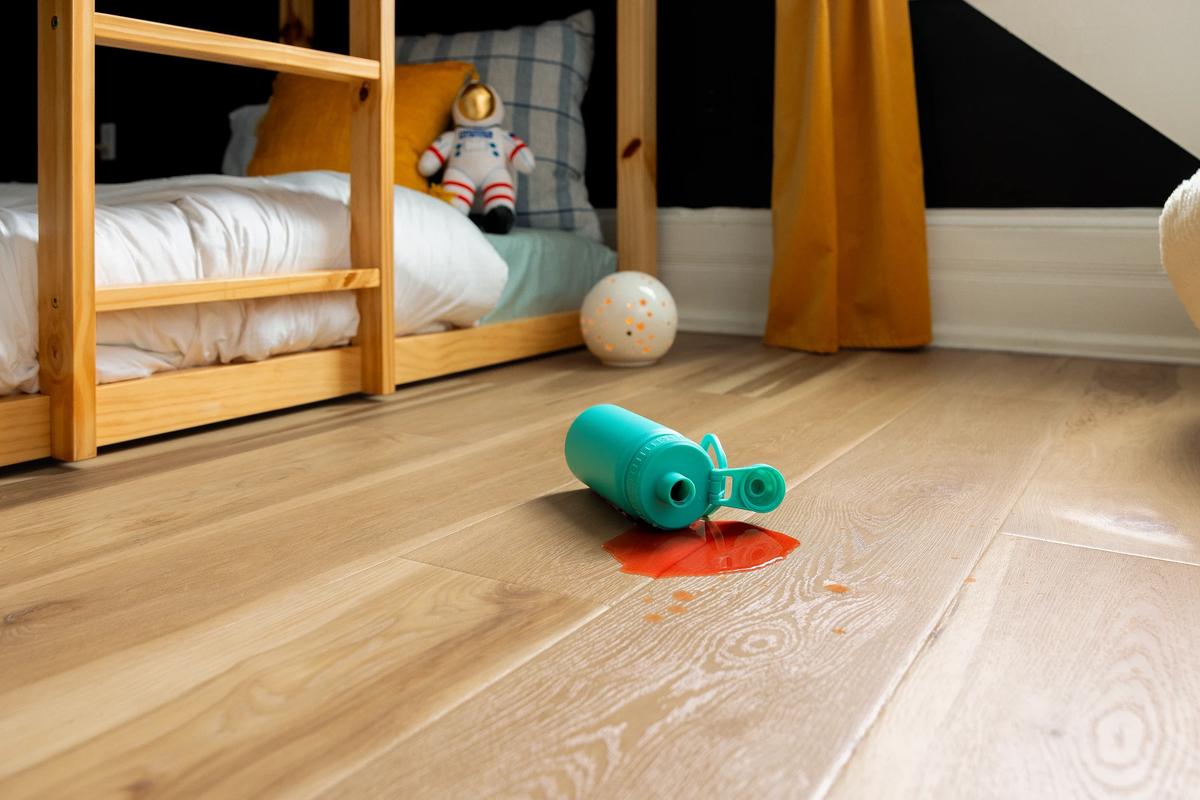
Yes. Unlike laminate, LVP is waterproof through every layer — top to bottom. Spills, pet accidents, and humidity won’t warp or damage the planks.
Can I install LVP over existing tile?
In most cases, yes — as long as the existing floor is flat, clean, and structurally sound. Grout lines may need to be leveled first.
How does LVP handle pet claws?
Very well. A quality wear layer (20 mil+) resists scratches from dog and cat nails. SPC-core LVP is among the most pet-friendly options available.
Does LVP increase home value?
LVP won’t match the resale boost of real hardwood, but modern buyers value its durability and water resistance. It’s a practical upgrade, especially in flood-prone regions.
What’s the difference between LVP and LVT?
LVP comes in plank form (mimicking wood); LVT comes in tile or square form (mimicking stone or ceramic). The construction and performance are identical.
Can LVP be installed in a bathroom?
Absolutely. Its full waterproof construction makes it one of the best flooring choices for bathrooms, laundry rooms, and half-baths.
After a decade on job sites, my verdict on LVP is straightforward: it’s the most versatile, practical flooring option available for the majority of residential applications in 2026. It won’t match the character of century-old oak or the prestige of natural marble, but for homeowners who need their floors to actually perform — through spills, pet accidents, temperature swings, and daily family life — LVP delivers in ways that most alternatives simply cannot.


