
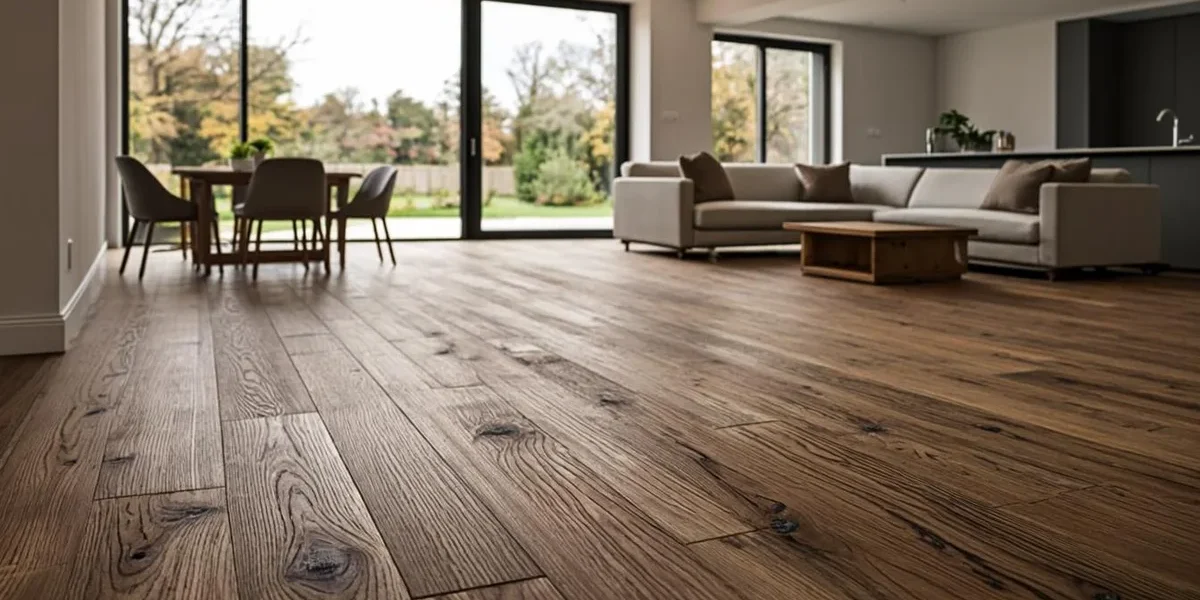
I have seen homeowners drop serious money on luxury vinyl plank flooring only to watch it scratch, dent, and warp within two years. Nine times out of ten, the problem comes down to one thing: they did not understand the difference between plank thickness and wear layer thickness. These two numbers control everything—how your floor handles foot traffic, how it feels underfoot, and how long it actually lasts.
After a decade of installing and repairing vinyl plank floors across residential and commercial properties, I can tell you that most buying guides get this wrong. They treat overall thickness as the main selling point when it is really the wear layer that determines durability. Plank thickness matters for stability and feel, but if you are choosing between a thick plank with a thin wear layer and a thinner plank with a heavy-duty wear layer, the latter wins almost every time.
Here is the straightforward breakdown—no marketing fluff, no confusing specs. Just what actually works based on real installations.
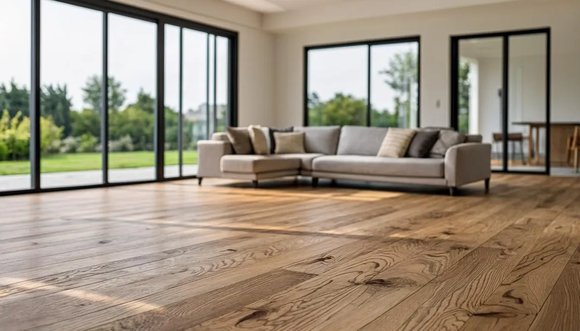
Quick Facts: LVP Thickness and Wear Layer at a Glance
| Spec | What It Means | Best For |
|---|---|---|
| 6 mil wear layer | Light residential use; scratches easier | Bedrooms, closets, guest rooms |
| 12 mil wear layer | Mid-grade durability; handles moderate traffic | Living rooms, dining areas, hallways |
| 20 mil wear layer | Commercial-grade; maximum scratch resistance | Kitchens, entryways, rentals, offices |
| 5–7 mm plank | Standard thickness; affordable, easy to install | Low-traffic rooms, budget renovations |
| 8–12 mm plank | Rigid core with enhanced stability | Open floor plans, radiant heat, uneven subfloors |
TLDR: The Short Answer
For most homeowners, a 12 mil wear layer with an 8 mm rigid core plank delivers the best balance of durability, comfort, and value. Go with 6 mil for light-use spaces like bedrooms if you are on a budget. Step up to 20 mil if you have kids, large pets, or are flooring a rental property where longevity is the priority. Always prioritize the wear layer over total plank thickness—it is the single biggest factor in how your floor ages.
Understanding LVP Plank Thickness
Plank thickness refers to the total depth of the entire vinyl plank, from backing layer to surface. It ranges from 4 mm on the budget end up to 12 mm for premium rigid core products. Most quality residential LVP falls between 5 mm and 8 mm.
What plank thickness actually affects is stability and feel. Thicker planks are less likely to telegraph subfloor imperfections—those slight dips and uneven spots that show through thinner material. They also provide better impact resistance and feel more solid underfoot.
Rigid core LVP has become the dominant construction type in 2026, using composite stone-polymer or wood-polymer cores that resist denting far better than traditional flexible vinyl. As of recent reports, rigid core now accounts for over 70% of new LVP installations in residential settings.
The Wear Layer: Why It Actually Matters Most
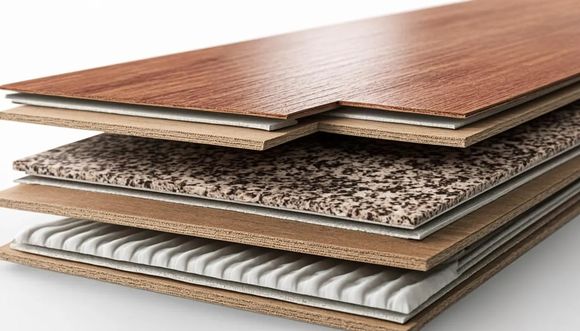
The wear layer is a clear polyurethane coating fused to the top of the plank—and it is the only part of the floor that directly resists scratches, scuffs, and daily abrasion. It is measured in mils, where one mil equals one-thousandth of an inch. A 12 mil wear layer is about 0.3 mm thick. It sounds thin, but this layer is remarkably tough when properly engineered.
I have ripped out floors where the plank was a thick 10 mm but the wear layer was only 4 mils. The surface looked terrible after eighteen months—dull, scratched, and worn through in high-traffic lanes. Meanwhile, I have seen 6 mm planks with 20 mil wear layers still looking sharp after five years in a busy family home. That comparison tells you everything about where your money should go.
6 Mil vs 12 Mil vs 20 Mil: Real-World Performance
6 mil wear layers are the entry point for residential LVP. They handle light foot traffic in bedrooms, guest rooms, and closets without issues. I would avoid them anywhere you regularly wear shoes indoors or have medium-to-large dogs. The surface tends to show traffic patterns within two to three years in active households.
12 mil wear layers are the sweet spot for most homes. They resist everyday scratches from pet claws, chair legs, and tracked-in debris. In my experience, a quality 12 mil floor lasts seven to ten years in a typical family setting. This is the range I recommend most often at The Rouse Home because it balances cost with genuine long-term performance.
20 mil wear layers enter commercial-grade territory. These are built to handle constant foot traffic, heavy furniture movement, and aggressive cleaning. I specify 20 mil for rental properties, home offices with rolling chairs, kitchens, and households with multiple large dogs. The extra cost is typically 15–25% more than 12 mil, but the lifespan extension justifies it in demanding environments.

Choosing LVP for High-Traffic Areas
High-traffic zones—kitchens, entryways, hallways, mudrooms—demand the most from your flooring. These areas see constant foot traffic, moisture exposure, abrasive debris, and furniture movement. Cutting corners here costs more in the long run.
For these spaces, I recommend a minimum 12 mil wear layer paired with an 8 mm or thicker rigid core plank. The rigid core prevents denting from heavy appliances and kitchen islands, while the wear layer handles daily abrasion from foot traffic and pet nails. If your kitchen opens directly to a backyard or garage, step up to 20 mil—grit and moisture tracked in from outside will chew through thinner wear layers fast.
In recent years, manufacturers have started adding ceramic bead coatings to commercial-grade wear layers. These microscopic particles create additional scratch resistance without affecting appearance. If you see a product marketed as having an “enhanced” or “ceramic-coated” wear layer, it is worth considering for your highest-traffic areas.
Commercial-Grade Vinyl Plank: When Does It Make Sense?
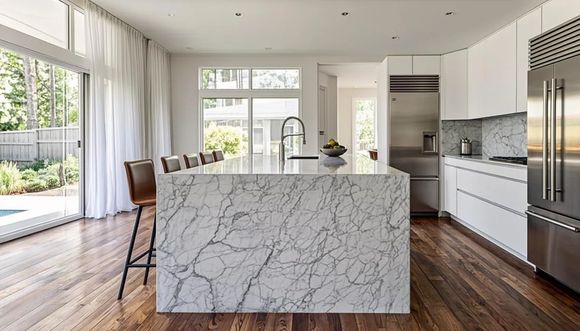
Commercial-grade LVP features 20 mil or thicker wear layers with dense, non-porous surface coatings designed for retail, office, and healthcare settings. The construction is heavier, locking systems are tighter, and the finish resists chemical cleaning agents.
For residential use, commercial-grade makes sense if you operate a home-based business with regular client traffic or own rental properties where tenant turnover puts unusual stress on flooring. The trade-off is feel and cost—commercial planks have a harder surface and carry a 20–40% price premium. For most homeowners, a quality 12 mil residential plank delivers a better overall experience.
Installation Realities That Affect Your Choice
Subfloor condition matters more than most people realize. Even the thickest rigid core plank will telegraph cracks and uneven spots over a poorly prepared subfloor. I always recommend a quarter-inch gap around the perimeter for expansion and a quality underlayment rated for your specific plank.
Climate plays a role too. Thinner planks are more prone to expansion and contraction cycles in regions with extreme temperature swings. A rigid core plank at 8 mm or thicker handles seasonal changes without gapping. In humid climates, look for waterproof core construction and tight tongue-and-groove systems that resist moisture from below.
Frequently Asked Questions
Does thicker LVP mean better quality?
Not necessarily. A thick plank with a thin wear layer will wear out faster than a thinner plank with a heavy-duty wear layer. Prioritize wear layer rating for durability and plank thickness for stability and feel.
Is 12 mil thick enough for a kitchen?
Yes, 12 mil handles standard kitchen traffic well. If you have large pets, kids, or frequently enter from a garage or backyard, consider upgrading to 20 mil for extra protection against tracked-in grit and moisture.
What is the best wear layer for LVP with dogs?
For medium or large dogs, 12 mil is the minimum I would install. For households with multiple large dogs or active breeds, 20 mil provides significantly better scratch resistance and longer life between replacements.
How long does a 20 mil wear layer actually last?
In a typical residential setting, a quality 20 mil wear layer can last 15–20 years before showing significant wear. In commercial environments with heavy daily traffic, expect 8–12 years of service life.
Is 6 mil wear layer ever worth buying?
Only for low-traffic spaces like bedrooms, closets, or guest rooms where foot traffic is minimal. Install 6 mil in a hallway or kitchen and you will likely be replacing it within three to four years.


