After a decade of installing flooring in hundreds of homes—from Chicago lofts to Texas ranch houses—the question I hear most is some version of this: should I go with luxury vinyl plank, laminate, or real hardwood? It is a fair question, and the honest answer is that no single material wins everywhere.
LVP (luxury vinyl plank) has surged in popularity since 2024, particularly SPC-core products that offer rigidity and water resistance laminate simply cannot match. Hardwood remains the gold standard for resale value and natural warmth. Laminate sits in the middle—budget-friendly but limited in where it can go.
The right choice depends on your room, your lifestyle, your budget, and how long you plan to stay. Here is the breakdown you actually need, based on what I have seen work—and fail—on real job sites across the country.
Quick Facts: LVP vs. Laminate vs. Hardwood at a Glance
| Feature | LVP (Luxury Vinyl Plank) | Laminate | Hardwood |
|---|---|---|---|
| Water Resistance | Excellent (100% waterproof) | Poor (swells at edges) | Poor (warps with moisture) |
| Scratch Resistance | Very Good (SPC core) | Good (AC-rated wear layer) | Moderate (softwoods dent easily) |
| Cost Per Sq. Ft. (2026) | $3 – $7 | $1.50 – $4 | $6 – $15+ |
| Lifespan | 15 – 25 years | 10 – 20 years | 50 – 100+ years |
| Refinishable? | No | No | Yes (3 – 5 times) |
| Resale Value Impact | Moderate | Low | High (2 – 5% ROI) |
| Pet-Friendly | Excellent | Fair | Fair (scratches show) |
| Best For | Kitchens, baths, basements | Bedrooms, low-traffic areas | Living rooms, resale value |
TLDR: Which Should You Choose?
If you want the short answer: LVP is the most practical all-around choice in 2026. It handles water, resists scratches, and looks remarkably like real wood at a fraction of the cost. Laminate is the budget option that works well in dry, low-traffic spaces. Hardwood is the long-term investment that pays back at resale—but only if your home stays dry and you can stomach the upfront cost.
Durability and Wear Resistance: What Actually Holds Up
How LVP Handles Real-World Traffic
Modern SPC-core LVP (stone plastic composite) is the toughest flooring I have worked with in recent years. The rigid core resists indentation from heavy furniture, and the multi-layer wear surface handles foot traffic, pet claws, and dropped objects impressively well. In homes with large dogs or kids, SPC LVP consistently outperforms both laminate and hardwood in my experience.
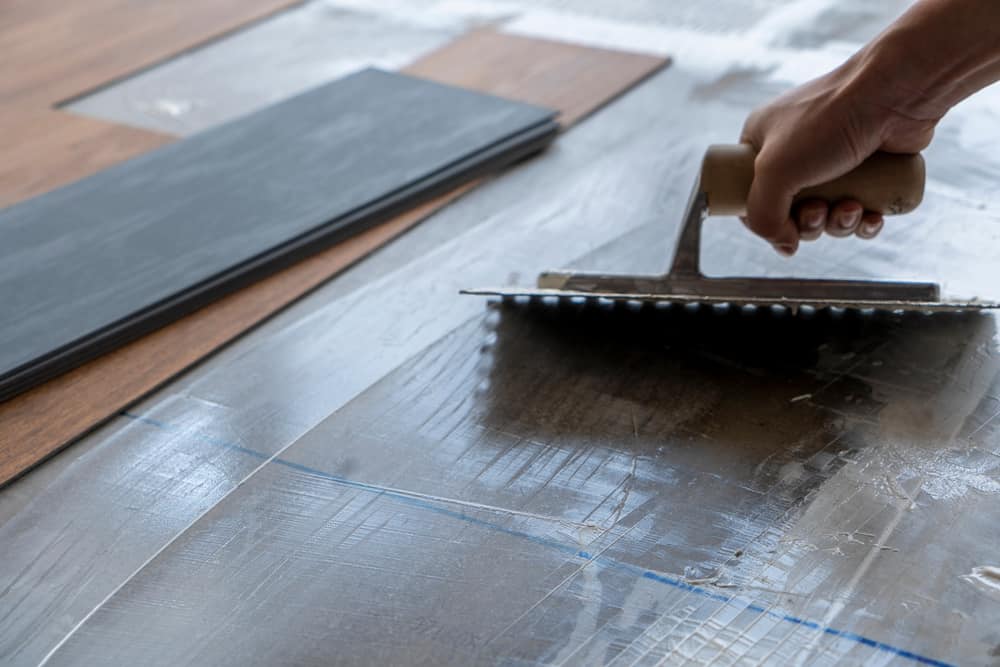
One thing most comparison guides miss: LVP installation quality matters enormously. I have seen cheap, poorly installed LVP gap at the seams after a single season. Quality product with a certified installer changes everything. Look for a wear layer of at least 20 mil for residential use, and 30 mil for commercial-grade durability.
Laminate: Good, but Limited
Laminate flooring uses a high-density fiberboard core topped with a photographic layer and a wear coating. AC3-rated and above laminate handles everyday traffic fine. The problem is moisture—once water seeps into the seams, the fiberboard swells and the edges curl permanently. I have replaced countless laminate floors in kitchens and entryways for exactly this reason.
Hardwood: Beautiful, but Vulnerable
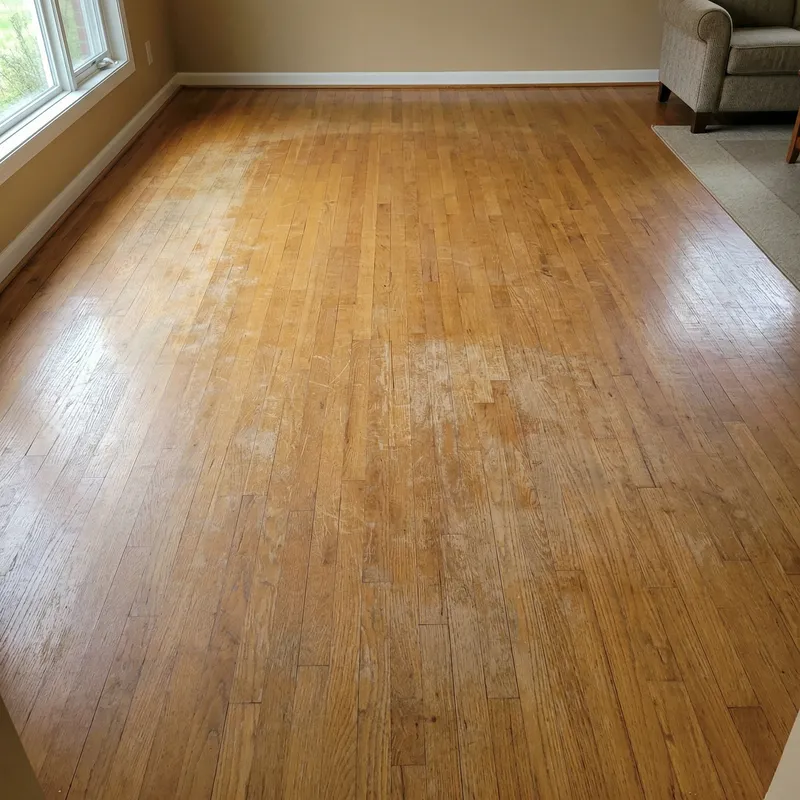
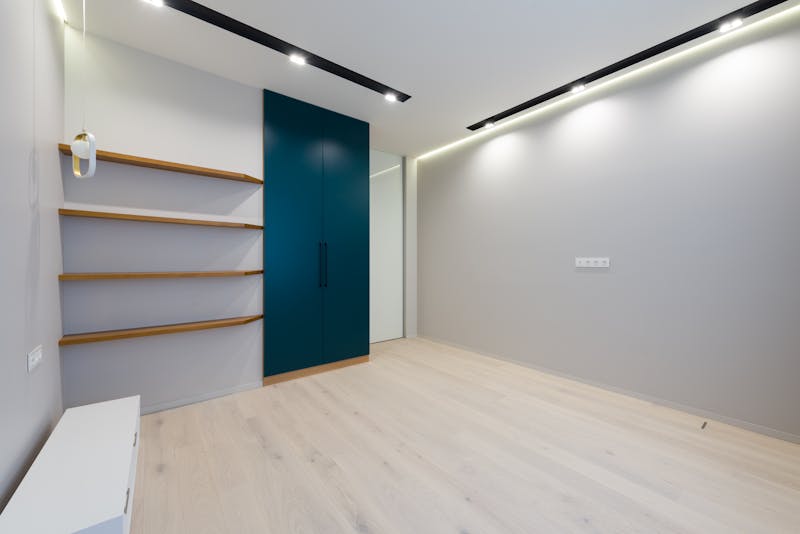
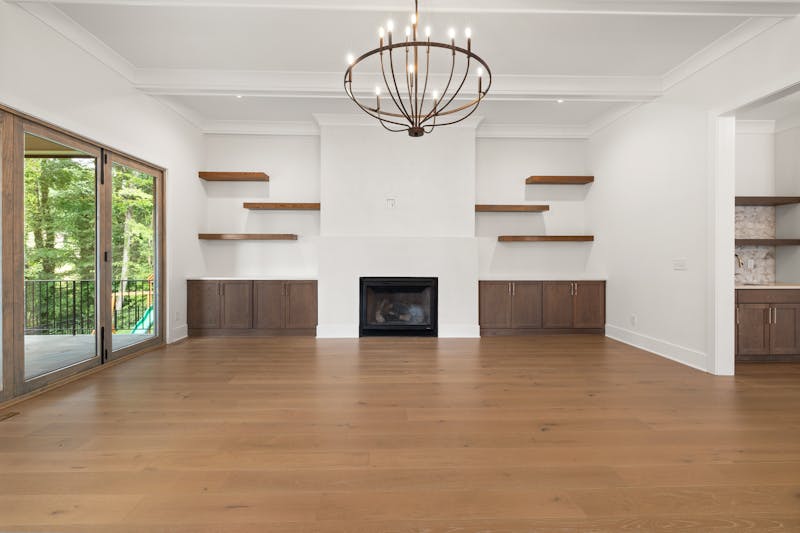
Hardwood is gorgeous, and nothing else matches the depth and grain variation of real oak, hickory, or maple. But it dents. High heels, pet nails, and moving furniture leave marks that you cannot sand out without a full refinishing job. Hickory and white oak are the most dent-resistant species I recommend for active households, while pine and American cherry scratch almost immediately.
Waterproof and Moisture Resistance: The Deciding Factor
This is where LVP separates itself from every other option. SPC-core and WPC-core vinyl planks are 100% waterproof from top to bottom. I have installed them in flooded basements in Florida and leaky kitchen remodels in Chicago—they come through without warping. As of recent reports, waterproof LVP accounts for over 40% of new flooring installations in moisture-prone regions.
Laminate fails quickly when exposed to standing water. Even high-quality AC5-rated products will swell at the joints within hours of a spill that is not cleaned up immediately. Hardwood fares even worse—cupping, warping, and black staining begin within days of water exposure. If you are flooring a basement, bathroom, or laundry room, LVP is not just the best choice—it is the only safe choice among these three.
Cost, Lifespan, and Resale Value: The Full Picture
Material cost tells only part of the story. Here is what homeowners rarely calculate: total cost of ownership. Laminate runs $1.50 to $4 per square foot for materials, with installation adding $2 to $4 more. LVP runs $3 to $7 per square foot installed. Hardwood ranges from $6 to $15+ per square foot for materials alone, with professional installation pushing total cost to $12 to $25 per square foot.
But lifespan flips the math. Hardwood can last a century with periodic refinishing (every 8 to 12 years at $3 to $5 per square foot). LVP lasts 15 to 25 years before replacement, and you cannot refinish it—once the wear layer is gone, the whole floor comes up. Laminate has the shortest lifespan at 10 to 20 years.
For resale value, hardwood still reigns supreme. In recent years, multiple real estate surveys confirm that homes with genuine hardwood floors sell for 2% to 5% more than comparable homes with other flooring. LVP adds modest appeal but does not move the needle at appraisal. Laminate is essentially neutral—buyers neither prize it nor penalize it.
Where Each Flooring Actually Belongs
Kitchens, Bathrooms, and Laundry Rooms
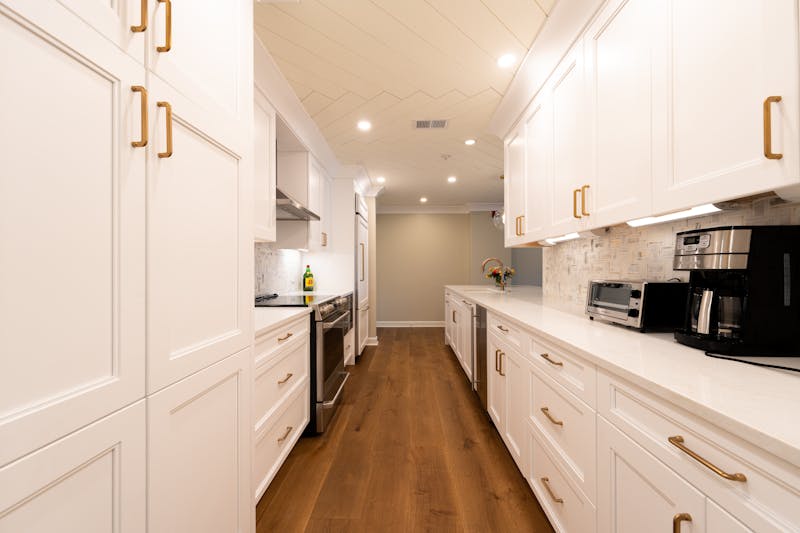
LVP wins decisively. Water exposure is constant in these rooms, and both laminate and hardwood will eventually fail. I have seen beautiful $12-per-square-foot oak floors destroyed by a single refrigerator water line failure. LVP shrugs that off. For bathrooms specifically, look for products with textured surfaces for slip resistance.
Basements
Moisture resistance in basements is non-negotiable. Even “dry” basements experience humidity fluctuations that can buckle hardwood and delaminate flooring adhesive. LVP with an attached underlayment is the most reliable basement flooring I have installed. Concrete subfloors benefit from LVP’s click-lock installation, which tolerates minor surface imperfections.
Living Rooms, Dining Rooms, and Bedrooms
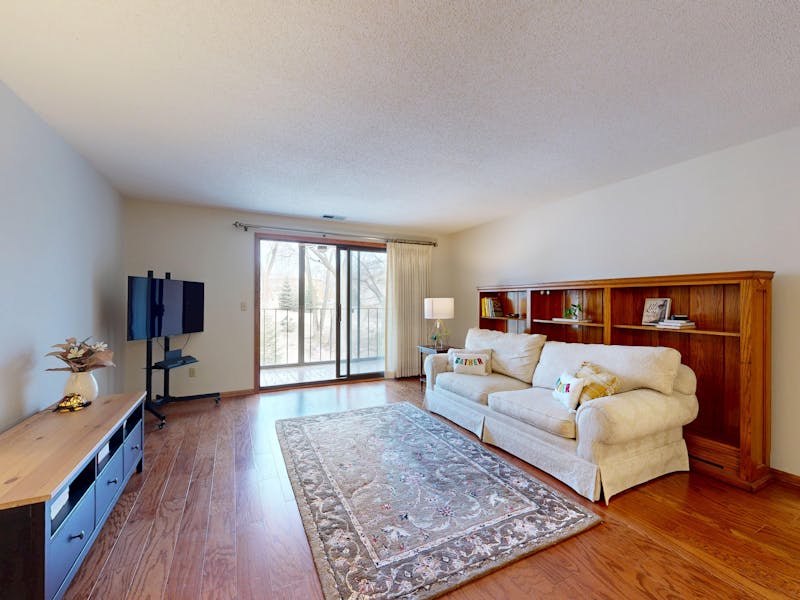
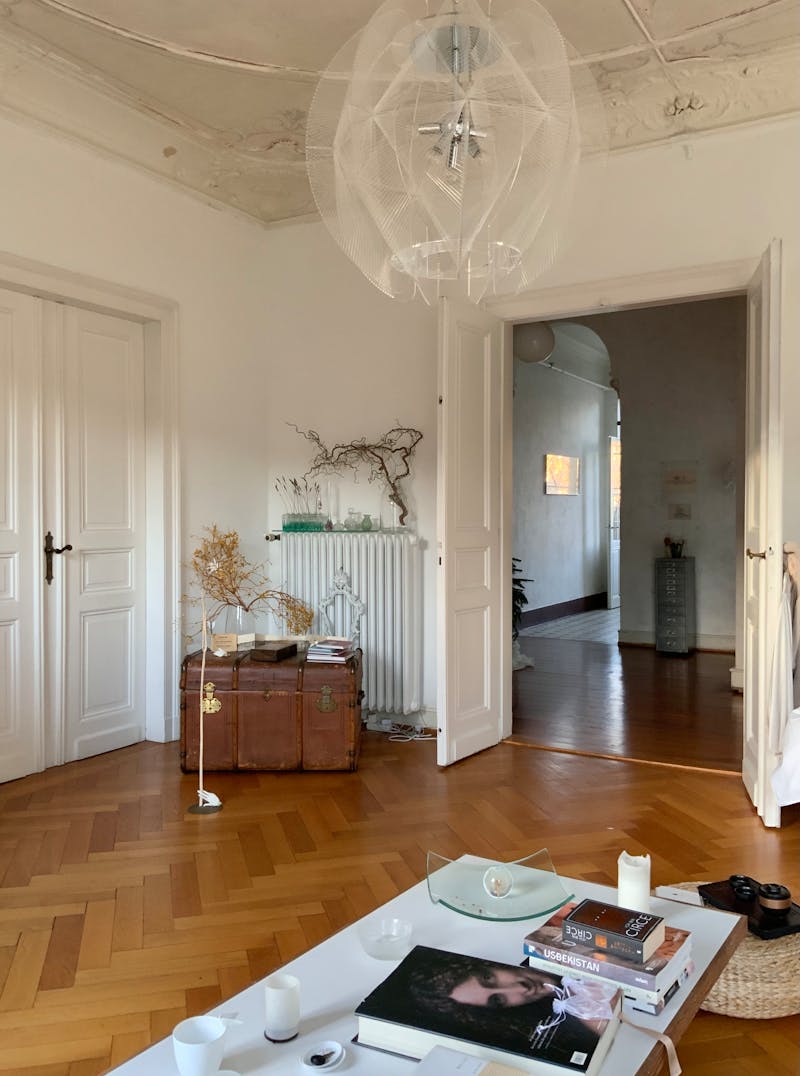
This is where hardwood makes its case. The warmth, the natural grain, the way light catches oiled oak in a sunlit living room—nothing replicates that. If resale value matters and your budget allows, hardwood in main living areas is the strongest single investment you can make in your home’s interior. In bedrooms, laminate is a cost-effective alternative that feels stable and looks decent.
Pet-Friendly and Eco-Friendly Flooring Options
For households with dogs, LVP is the clear winner. Pet claws scratch hardwood finishes, and accidents on laminate cause irreversible swelling. LVP handles both without lasting damage. In recent years, manufacturers have introduced pet-specific LVP lines with enhanced scratch coatings and built-in odor barriers—these are worth the modest price premium for pet owners.
On the environmental front, hardwood is the most sustainable choice when sourced from FSC-certified forests. It is biodegradable, renewable, and lasts generations. LVP is a petroleum-based product that does not biodegrade, though some manufacturers now offer recycled-content cores. Laminate uses wood fiber but also contains resins and adhesives. If eco-friendly flooring is a priority, certified hardwood or cork are your best bets.

Frequently Asked Questions
Is LVP better than hardwood?
It depends on priorities. LVP beats hardwood on water resistance, scratch tolerance, and upfront cost. Hardwood wins on longevity, refinishing potential, and resale value. For most practical homeowners, LVP is the better daily performer.
Can LVP be installed over existing flooring?
Yes, in most cases. LVP click-lock planks can go over laminate, tile, or hardwood if the existing surface is flat and structurally sound. Carpet must be removed. I always recommend a moisture test before installing over concrete.
How long does vinyl plank flooring last?
Quality LVP with a 20-mil wear layer lasts 15 to 25 years in residential settings. SPC-core products tend to outlast WPC-core products. Commercial-grade LVP with thicker wear layers can exceed 25 years.
Is laminate flooring waterproof?
No. Some laminates are marketed as “water-resistant,” meaning they tolerate minor spills better than older products. But no laminate is truly waterproof. Standing water will penetrate the seams and damage the fiberboard core.
What is SPC flooring vs. laminate?
SPC (stone plastic composite) is a type of rigid-core luxury vinyl. Unlike laminate’s wood-fiber core, SPC uses limestone and PVC for a dense, waterproof, dimensionally stable core. SPC handles moisture and heavy loads far better than laminate.
Can you refinish hardwood instead of replacing LVP?
Yes. This is hardwood’s biggest long-term advantage. Solid hardwood can be sanded and refinished 3 to 5 times over its lifespan, each time restoring a like-new surface. LVP and laminate cannot be refinished—when the wear layer wears through, the entire floor must be replaced.
Does flooring type affect home resale value?
Significantly. Hardwood floors consistently rank among the top features buyers look for, often adding 2% to 5% to sale price. LVP is increasingly accepted but does not command the same premium. Laminate is viewed as a neutral feature.
Final Take: Choose Based on the Room, Not the Trend
After installing all three materials in homes across every climate zone in the U.S., here is my honest recommendation: stop looking for one flooring to rule them all. Use LVP in wet areas and high-traffic zones. Invest in hardwood for main living spaces if resale matters. Save laminate for guest rooms and closets where budget matters more than performance.
The best flooring decision is the one that matches your specific room conditions, your family’s habits, and your honest budget—not the one that looks best in a showroom under perfect lighting. I have seen plenty of expensive mistakes made by homeowners who chose on appearance alone. Match the material to the environment, and you will not regret the investment.