
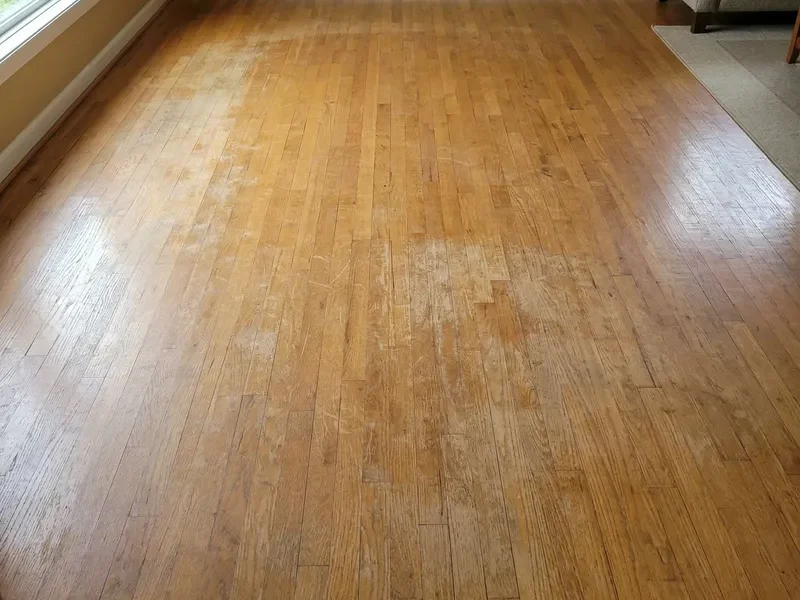
Hardwood floors are one of the most valuable features in any home. But when they start showing their age, i.e. scratches, dull finish, dark spots, or gaps between boards, most homeowners face the same question: should I refinish what I have, or tear it all out and start fresh?
After refinishing hundreds of hardwood floors in the Atlanta area over the past decade, I can tell you that the answer is almost always refinish. But not always. Here is how to tell the difference, what each option actually costs, and when replacement truly makes sense.
What Refinishing Actually Involves
Refinishing means sanding your existing hardwood down to bare wood, then applying a new stain (if you want to change the color) and sealing it with three coats of polyurethane. The result is a floor that looks brand new, even though structurally, it is the same wood that has been in your home for decades. You are just giving it a fresh surface.
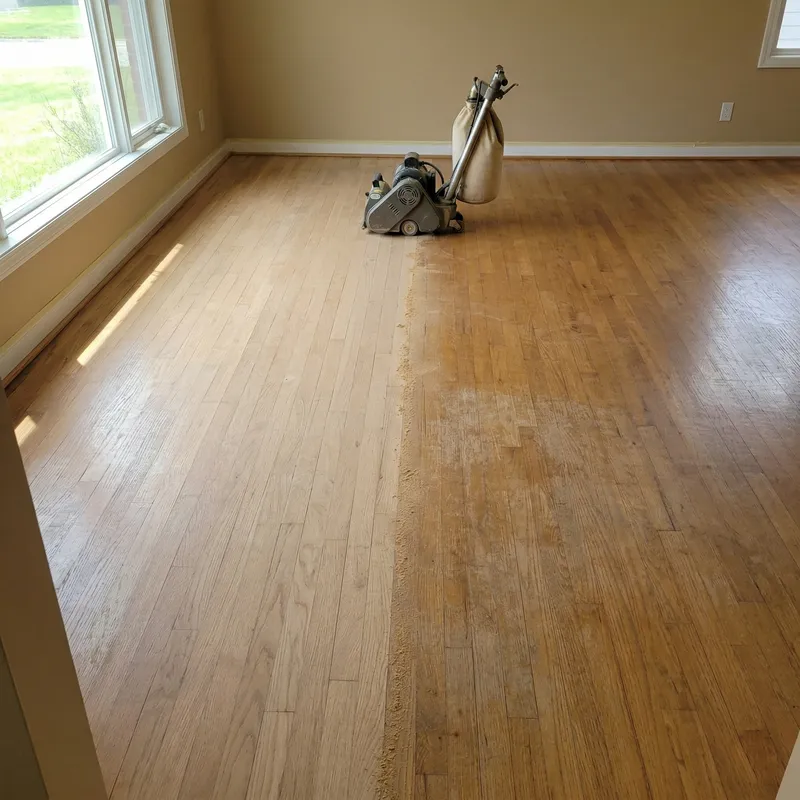
The process typically takes three to five days depending on the size of the area, the condition of the wood, and whether you are using oil-based or water-based polyurethane. Furniture needs to be moved out of the work area, and you will want to stay off the floors for 24 to 48 hours after the final coat.
Most homeowners are surprised by how dramatic the transformation is. A floor that looked like it needed to be ripped out often looks better than new after a proper sand and refinish.
What Replacement Involves
Replacement means tearing out the existing hardwood, down to the subfloor, and installing entirely new planks. This is a bigger project in every way: more time, more labor, more material cost, and more disruption to your home.
You are looking at a full week or more of work, and there is demolition involved. The old flooring has to come out, the subfloor needs to be inspected and prepped, and the new wood needs to acclimate to your home’s humidity before installation. Then you still need to sand and finish the new wood, or pay extra for prefinished planks.
The Cost Difference
This is where the math gets clear.
Replacing: $8 – $15 per square footFor a typical 1,000 sq ft main level: $3,000 – $6,000 (refinish) vs. $8,000 – $15,000 (replace)
In other words, refinishing usually costs about a third of what replacement costs, and the visual result is nearly identical. A buyer walking into your home cannot tell the difference between a freshly refinished 40-year-old oak floor and a brand new one.
Five Signs Your Floors Can Be Refinished
Not sure where your floors stand? Here are the signs that refinishing will work:
The finish is dull or hazy but the wood is solid. If your floors have lost their shine but the wood itself is not damaged, a simple screen and recoat (a light buff and new coat of finish) might be all you need. This is even cheaper than a full refinish, typically two to three dollars per square foot.
Surface scratches from furniture, pets, or foot traffic. Scratches that you can see but cannot catch your fingernail on are finish-level damage. A refinish removes the old finish and those scratches disappear completely.
Sun fading or discoloration. UV light bleaches hardwood unevenly over time, especially in rooms with large windows. Sanding removes the faded layer and reveals fresh, consistent wood underneath.
Minor gaps between boards. Wood expands and contracts with humidity changes. Small seasonal gaps are normal and can be corrected with wood filler during a refinish. This is not a structural problem.
The wood is at least three-quarters of an inch thick. Solid hardwood can typically be refinished three to five times before the wood gets too thin. If you are not sure, a flooring professional can identify it in seconds.
When Replacement Actually Makes Sense
There are situations where refinishing will not cut it:
Extensive water damage. If the wood is warped, buckled, or has black stains that go deep into the grain from prolonged water exposure, the boards may need to be replaced. Sometimes this is only a section of the floor, you do not necessarily need to replace everything.
Termite damage. If the subfloor or the hardwood itself has structural damage from termites, refinishing the surface will not fix what is happening underneath.
The wood has been sanded too many times. If previous refinishes have taken the wood down to paper-thin thickness, there is not enough material left to sand again safely. This is rare, most floors have only been refinished once or twice, but it does happen in very old homes.
You want a completely different wood species or plank width. If you have narrow strip oak and you want wide plank walnut, refinishing obviously cannot change the species. That is a replacement project.
The Bottom Line
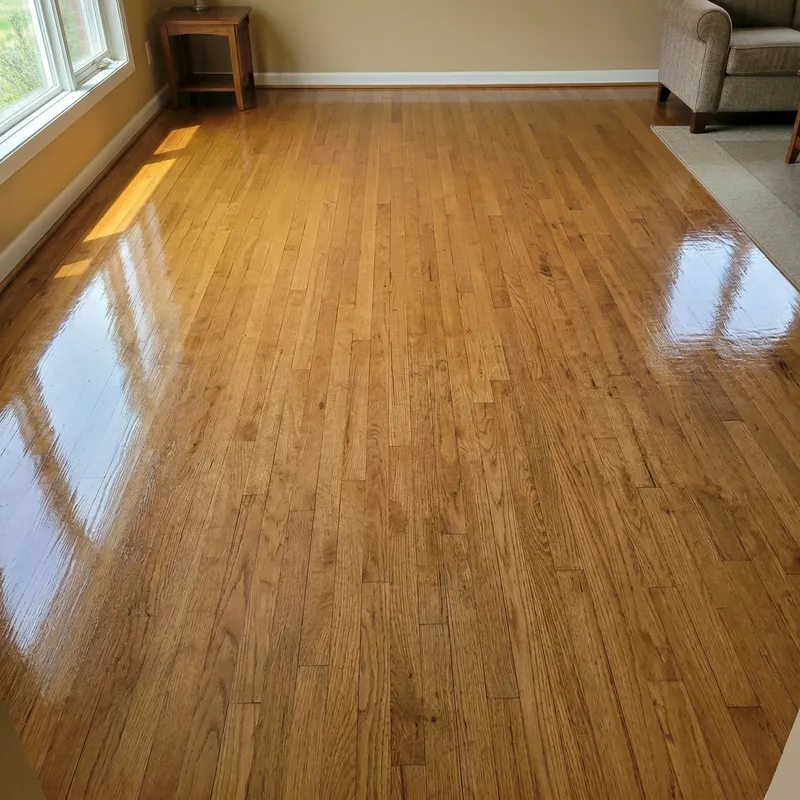
For the vast majority of homeowners with worn, scratched, or dated-looking hardwood floors, refinishing is the right call. It costs a fraction of replacement, takes less time, creates less disruption, and delivers a result that looks just as good as new wood.
The key is getting a professional assessment before making any decisions. A good flooring contractor will tell you honestly whether your floors can be saved, and what it will actually cost. If you are in the Atlanta area, Oakerds Hardwood Floor Refinishing offers free in-home assessments with no obligation.
Do not assume your floors are beyond saving until someone who refinishes floors for a living takes a look. You might be one sanding away from floors you love again.


